•
•
•
•
•
•
•
•
•
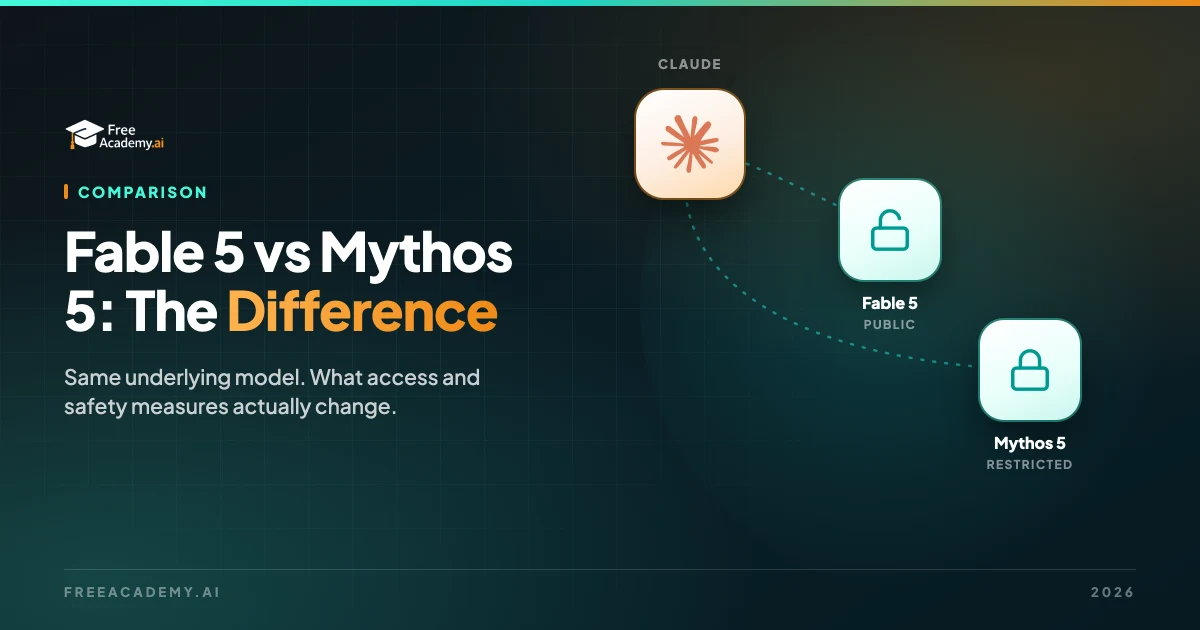
Fable 5 and Mythos 5 share the same underlying model. The difference is access and safety measures. Here is what each one is and which one you can actually use.
xAI released Grok 4.6 on August 12, 2026. Here is what changed vs Grok 4.5, the real pricing with the 200K threshold, and how it compares to GPT-5.6 and Claude.
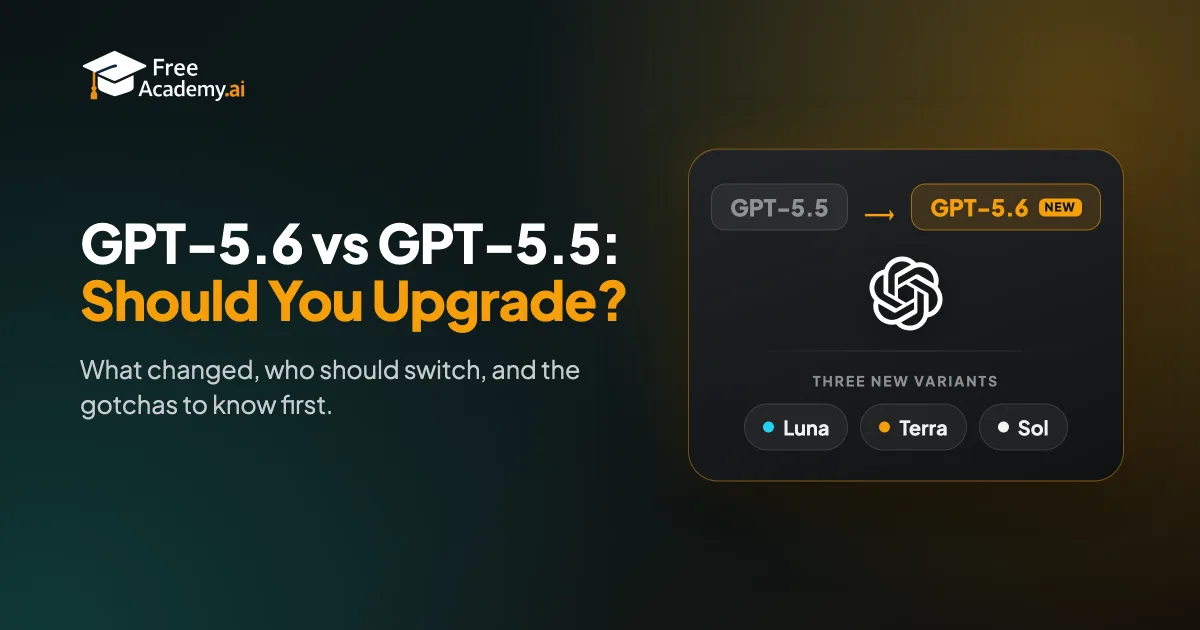
GPT-5.6 replaced one model with three variants. Here is what actually changed from GPT-5.5, who should upgrade, and the gotchas to know first.
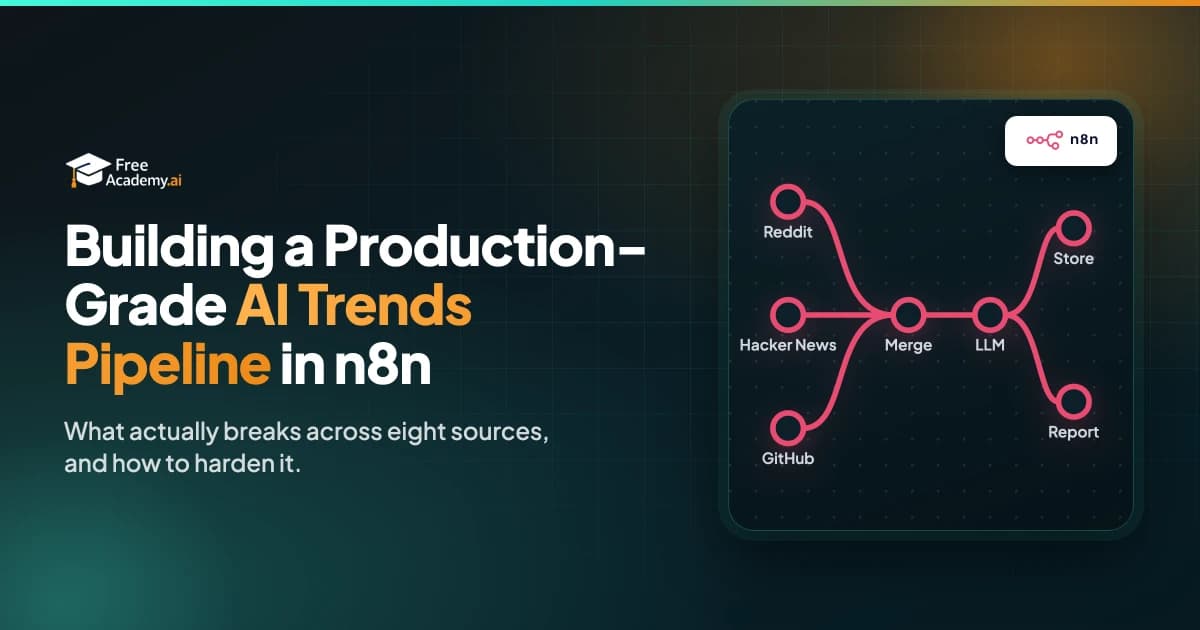
A field guide to building a reliable AI trends pipeline in n8n across eight sources: the failures that actually happen in production, and the fixes that made it survivable.
Kimi K3 is Moonshot AI 2.8T parameter open weight model. Learn the architecture, benchmarks vs Claude and GPT, pricing, and how to try it free.
A task-based guide to OpenAI GPT-5.6 Sol, Terra, and Luna. Pick the right model for writing, coding, research, and speed, plus what changed vs GPT-5.5.
Loop engineering for AI agents is the 2026 shift from writing prompts to designing the system that prompts, checks, and reruns an agent on its own.
Four Claude models are available today: Haiku, Sonnet 5, Opus, and the restored Fable 5. Here is how to pick by task, with a clear price table.
Claude Fable 5 and Mythos 5 were suspended after a US government directive, then restored on July 1, 2026. Here is the full story and what it means now.
Master prompt engineering with the 3 core techniques: zero-shot, few-shot, and chain-of-thought prompting. Learn how each works with clear, practical examples.

What is an LLM context window? Compare GPT, Claude, and Gemini context sizes in 2026, learn how tokens work, and discover when bigger isn't better.

LLM parameters explained for beginners. Learn how temperature, top-p, top-k, and max tokens shape AI output — with practical examples and tuning tips.
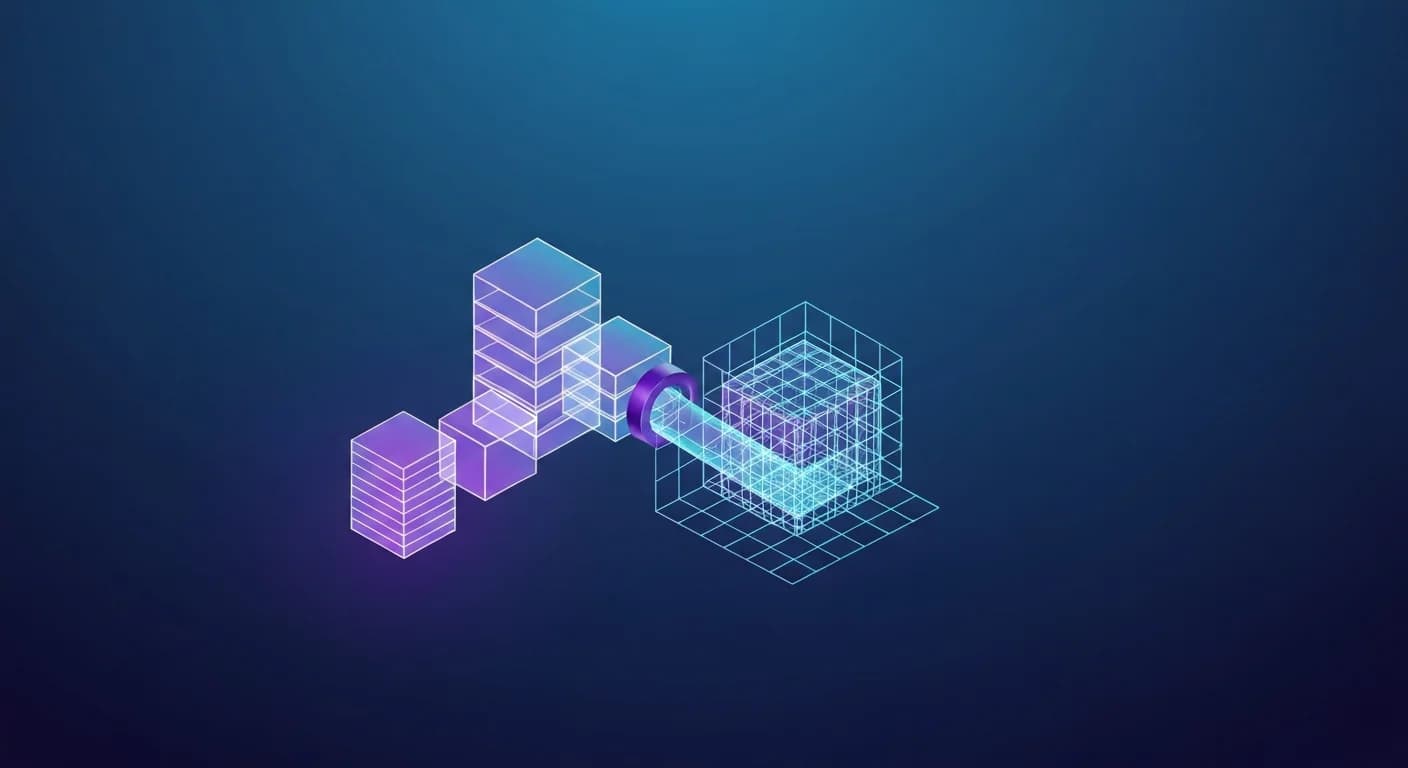
Master retrieval optimization RAG techniques in 2026: smart chunking, cross-encoder re-ranking, and vector quantization to cut latency, cost, and hallucinations.
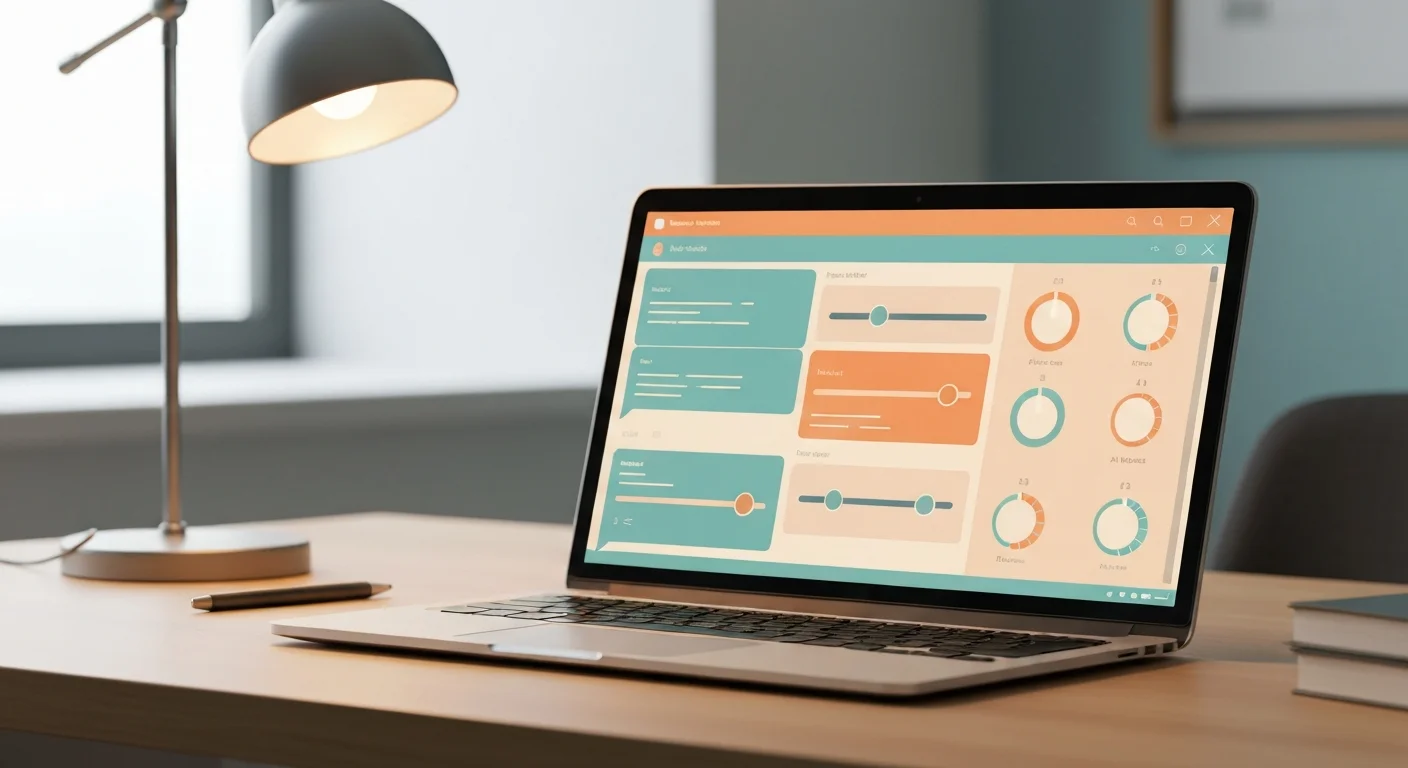
Learn how to use the OpenAI Playground to test models, tune parameters, and refine prompts before you write a single line of code. A practical 2026 walkthrough.
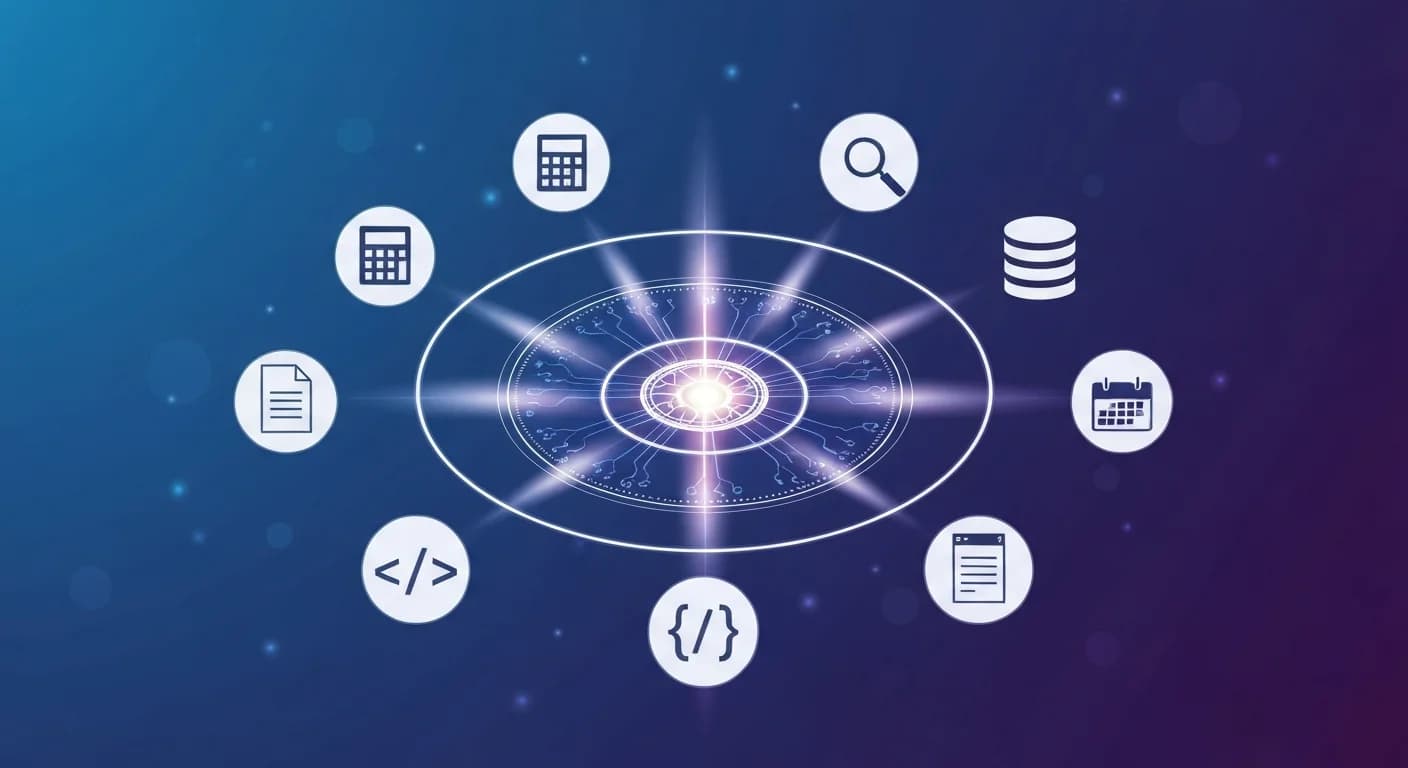
Master langchain agents tools and functions with this practical 2026 guide. Learn how to build reasoning agents, wire up custom tools, and ship production AI apps.
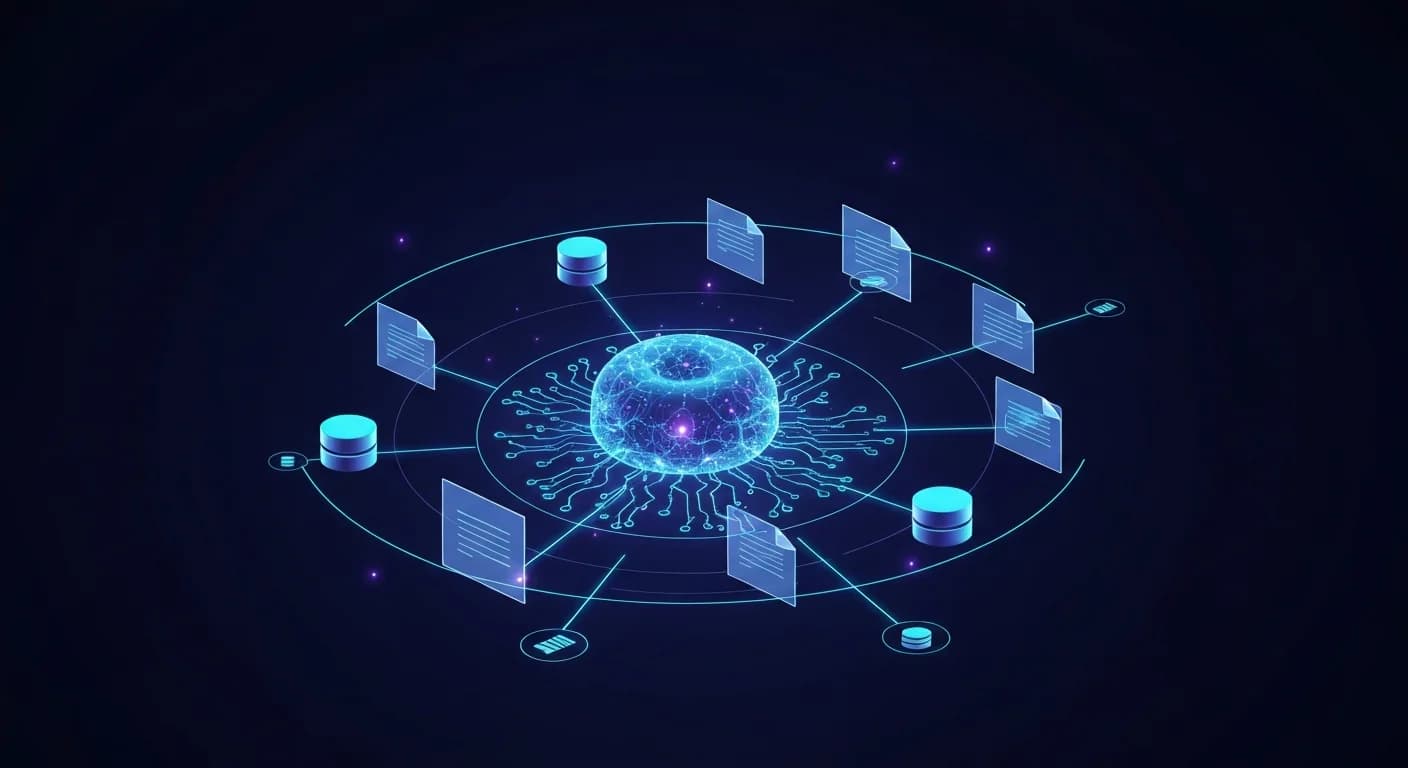
Discover how agentic RAG combines AI agents with retrieval-augmented generation to deliver smarter, multi-step answers, better accuracy, and real autonomy in 2026.
What is an LLM? A clear, beginner-friendly guide to large language models, how they work, why they matter, and how to start using them in 2026.

Learn how to build an AI agent in Python using LangChain. This step-by-step tutorial covers tools, memory, and the ReACT pattern — everything you need to create your first working agent in 30 minutes.

Learn what AI agents are, how they differ from chatbots, and how they use tools, planning, and memory to complete real-world tasks autonomously.
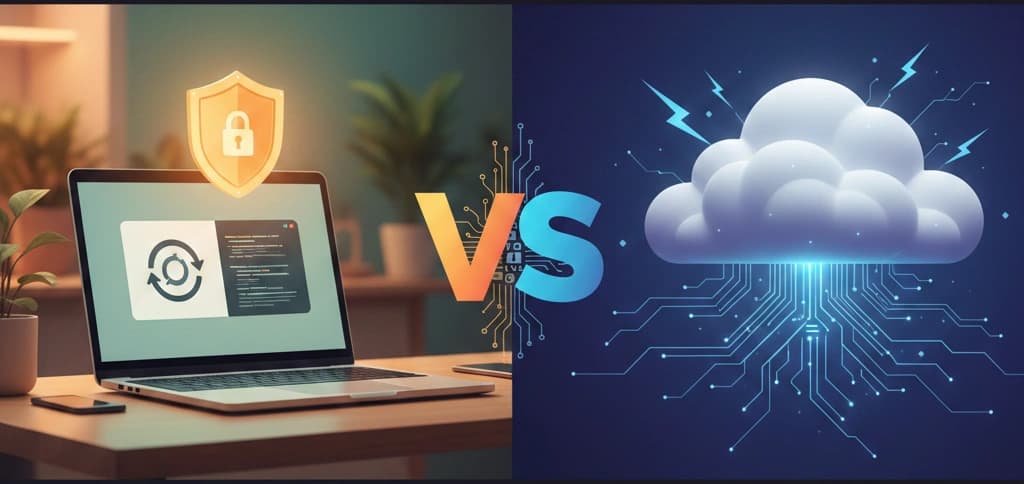
We tested Ollama and LM Studio against ChatGPT, Claude, and Gemini on real tasks. The results surprised us — especially the cost breakdown for heavy users.
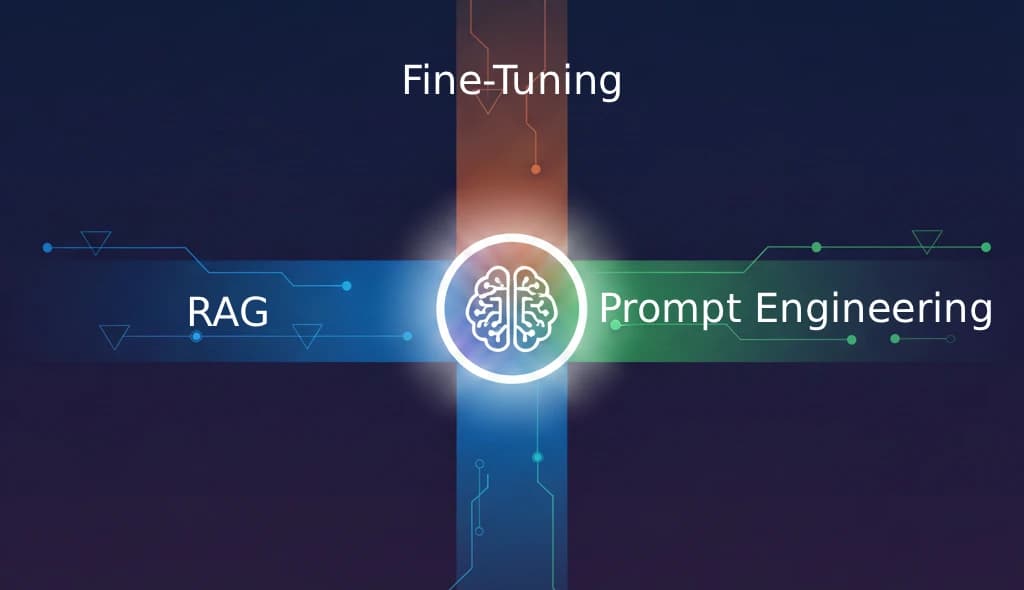
Compare RAG, fine-tuning, and prompt engineering for customizing LLMs. Learn when to use each approach, cost differences, and how to combine them for production AI applications.
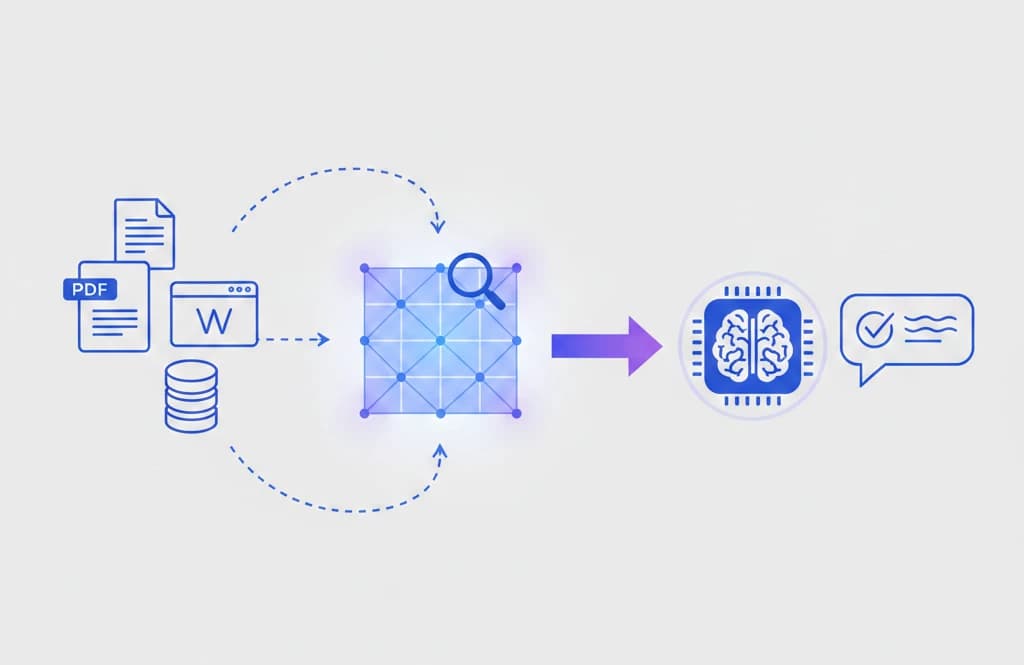
Learn what Retrieval Augmented Generation (RAG) is, how it works step by step, and why it matters for building AI applications that use your own data.
ChatGPT vs Claude vs Gemini compared for writing, coding, research and everyday work, with current models and prices. A clear answer for each use.
Explore the leading AI models for developers in 2026—ranked by community votes and benchmarks on Arena.ai's leaderboard across Text, Code, Vision, Search, Document, and Text-to-Image.