Anthropic moved deeper into workplace tooling on Friday, April 17, 2026, by introducing Claude Design, a new product that turns plain-language descriptions into shareable visuals. The launch, reported by TechCrunch and confirmed by Anthropic, arrives a day after Canva expanded its own AI design capabilities and underscores how quickly the major model labs are pushing into territory long owned by dedicated creative software.
What Claude Design does
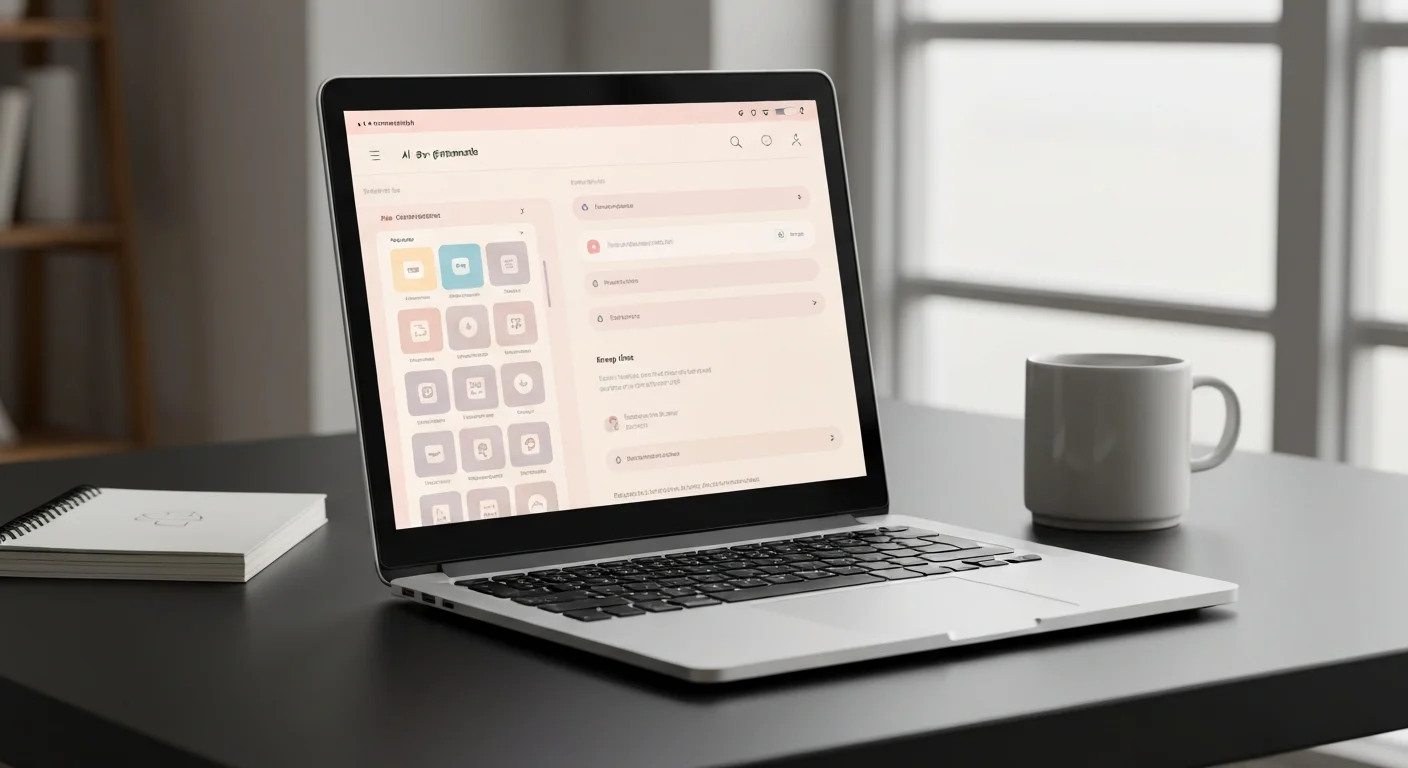
Claude Design lets users describe what they want — a prototype for a meditation app, a pitch deck section, a one-page brief — and generates the visual directly inside Claude. According to the company and reporting on the launch, users can iterate by editing the output or asking for changes in natural language: swap a color palette, adjust typography, add a dark mode toggle. Finished work can be exported as PDFs, shareable URLs, PPTX files or sent over to Canva for further refinement.
The product is powered by Claude Opus 4.7, the most capable model in Anthropic's current lineup. Anthropic says Claude Design can read codebases and design files so that generated visuals respect existing brand systems rather than reinventing them on each prompt.
Who it's for
In its launch material, Anthropic described Claude Design as built for "founders, product managers, and marketers with an idea but not a design background." That framing — onramp rather than replacement — is consistent with how the company is positioning the tool against incumbents. Claude Design is currently available as a research preview for Claude Pro, Max, Team and Enterprise subscribers; Anthropic has not announced general availability or standalone pricing.
Why it matters
The release continues a clear pattern from Anthropic this spring: pushing Claude beyond a chat surface into discrete, task-oriented products that touch real workplace deliverables. It also raises an obvious question for the design tool category. Canva expanded its AI features the day before, and Figma has spent the past year layering generative capabilities into its own canvas. With Claude Design, Anthropic is betting that for many internal artifacts — a quick mockup, an investor one-pager, a slide for tomorrow's standup — the path of least resistance will be a model that already understands the user's brand and codebase, not a separate app.
For non-designers, the immediate benefit is shorter feedback loops between idea and shareable artifact. For Anthropic, Claude Design is another wedge into the enterprise seat: a reason for finance, product and operations users to keep Claude open all day, not just when they need to ask a question.