Google Turns Chrome Into an AI Coworker With Auto Browse, Powered by Gemini 3
At Cloud Next 2026, Google unveiled Auto Browse, a Gemini 3-powered agent inside Chrome that handles multi-step web tasks for consumers and enterprise Workspace users.
75 articles

At Cloud Next 2026, Google unveiled Auto Browse, a Gemini 3-powered agent inside Chrome that handles multi-step web tasks for consumers and enterprise Workspace users.

OpenAI today unveiled workspace agents in ChatGPT as a research preview, positioning them as a direct replacement for custom GPTs and pitching Codex-powered shared agents at Business, Enterprise, Edu, and Teachers customers.

Cloudflare's new Agent Memory service extracts and stores information from AI agent conversations so models can recall context across sessions without bloating the token window, addressing one of agentic AI's biggest bottlenecks.

OpenAI's latest Codex desktop update lets the agent operate other apps, browse the web in-app, generate images, and run scheduled automations — moving the product from coding tool to full AI super app.

Anthropic introduced Claude Design on April 17, 2026, a research preview that converts text descriptions into shareable visuals like prototypes, slides and one-pagers using Claude Opus 4.7.

Google's Chrome desktop now keeps AI Mode open alongside web pages, lets users query across multiple tabs and PDFs at once, and surfaces image and Canvas tools through a new plus menu.

Canva unveiled Canva AI 2.0 on April 16 as a research preview, recasting its design tool as an agentic workspace powered by three proprietary models the company claims are up to 7x faster and 30x cheaper than frontier alternatives.

MZLA, the Mozilla subsidiary behind Thunderbird, unveiled Thunderbolt on April 16 — an open-source, self-hostable AI client pitched as a sovereign alternative to Microsoft Copilot, ChatGPT Enterprise, and Claude Enterprise.

OpenAI unveils GPT-5.4-Cyber, a fine-tuned variant of its flagship model designed for binary reverse engineering and vulnerability research, available only to vetted security professionals through its expanded Trusted Access for Cyber program.

Perplexity's new Plaid integration turns its Computer agent into an AI-powered personal finance hub, letting users analyze spending, track debt, and calculate net worth across more than 12,000 financial institutions.

Anthropic unveiled Claude for Word on April 11, 2026, finishing its Word/Excel/PowerPoint add-in trio and pressuring Microsoft Copilot inside Microsoft's own productivity suite.

Anthropic debuts Claude Managed Agents in public beta, offering managed hosting, automatic scaling, and built-in monitoring that lets enterprises deploy production AI agents in days instead of months.

Google integrates NotebookLM directly into the Gemini app with a new Notebooks feature, creating a shared knowledge base that syncs sources, chats, and AI-generated content across both platforms.

Google DeepMind releases Veo 3.1 Lite at half the cost of its Fast tier and cuts Veo 3.1 Fast pricing, consolidating its lead in AI video generation after OpenAI shut down Sora.

OpenClaw is an open-source AI agent platform that can autonomously publish content, monitor SEO, send strategy briefs, and build features. One entrepreneur's real-world setup — and what actually works.

Google has quietly upgraded its AI Pro plan from 2TB to 5TB of Google Drive storage at no extra cost, making the $19.99/month subscription significantly more competitive against Apple One and Microsoft 365.

A packaging error in Claude Code 2.1.88 exposed Anthropic's entire TypeScript codebase, giving the world a look at upcoming features like a virtual desktop pet that reacts to your coding and KAIROS, a persistent background agent — before 50,000 GitHub forks made the leak permanent.

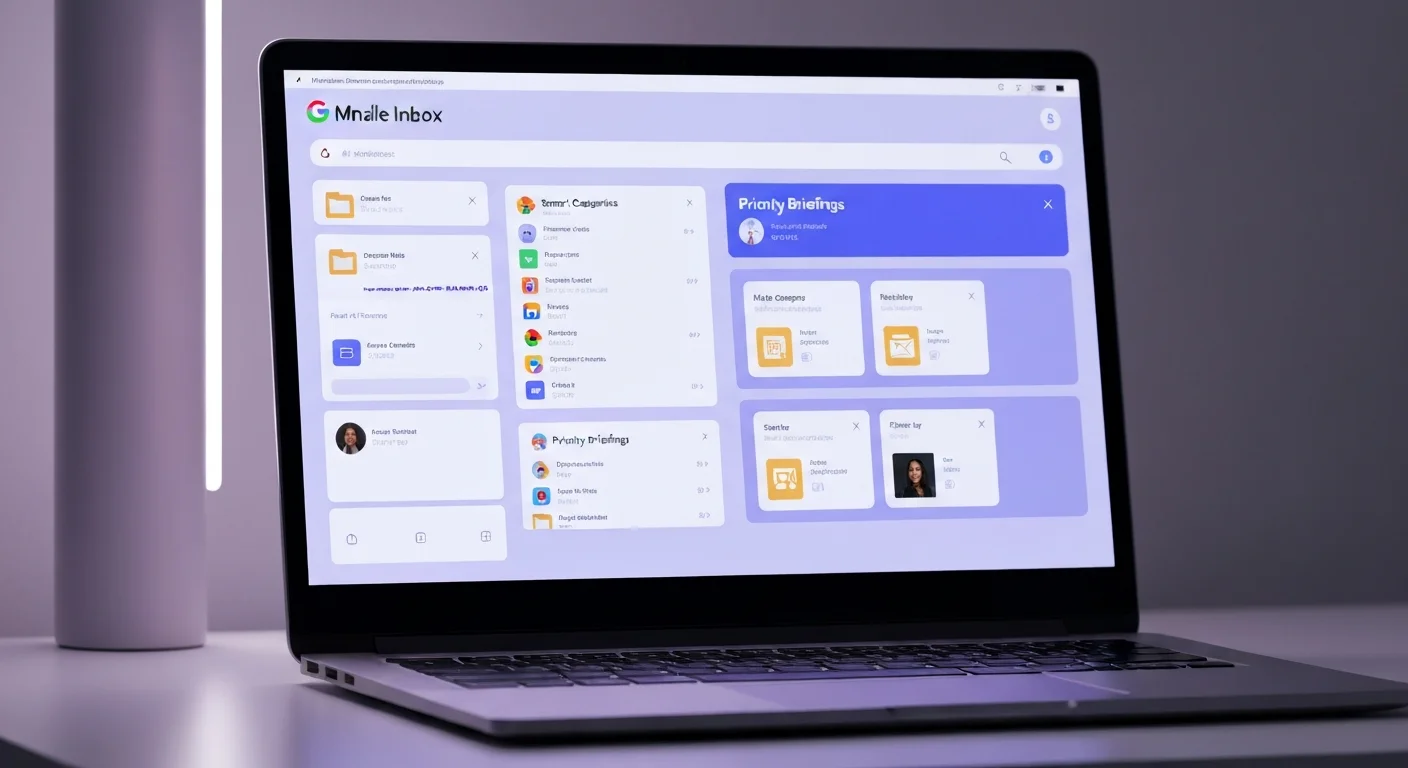
Google has started rolling out AI Inbox in Gmail to its AI Ultra subscribers, replacing the traditional chronological inbox with a Gemini 3-powered briefing that groups emails into actionable to-dos and topic clusters. The feature is engineered for privacy and doesn't leave Google's dedicated processing environment — but its $249.99/month paywall is already drawing attention.

Anthropic adds computer use capabilities to Claude Code CLI in research preview, allowing the AI to open apps, click through interfaces, debug visual issues, and screenshot results directly from the terminal on macOS Pro and Max.

Microsoft's VibeVoice — a family of open-source frontier voice AI models — has surged to over 27,000 GitHub stars and entered the Hugging Face Transformers ecosystem. The project handles 60-minute audio transcription and 90-minute speech synthesis in a single pass, and is already being embedded in third-party apps like Vibing.

Attie, an AI coding assistant built for Bluesky's open AT Protocol, can now generate complete working apps for the decentralized social web. The Verge's Terrence O'Brien reports it's the clearest sign yet that AI is making decentralized development accessible.

Microsoft's Copilot Cowork exits preview and launches via the Frontier early-access program. It pairs Anthropic's Claude with Microsoft's GPT-based models in a two-model pipeline, benchmarks 13.8% higher on deep research accuracy, and introduces a Model Council for side-by-side comparison.

Singapore-based PixVerse launched V6 of its AI video platform today, bringing more precise shot execution, camera control, and agentic workflow integration. With OpenAI's Sora gone, PixVerse is well-positioned to absorb its former user base.

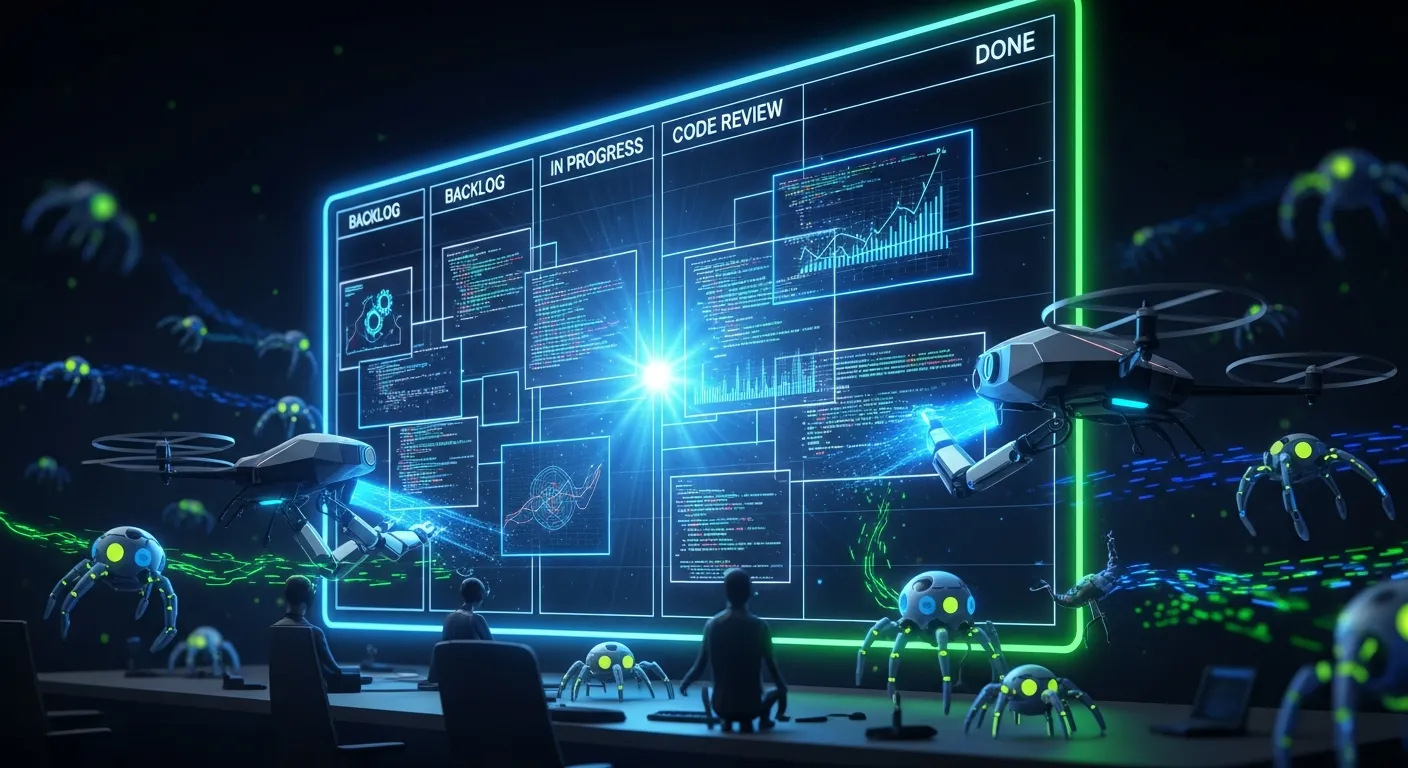
Cline has launched Kanban, a standalone app for managing multiple AI coding agents simultaneously. Tasks run in isolated git worktrees, you review diffs visually, and dependency chains let agents complete large work packages autonomously.

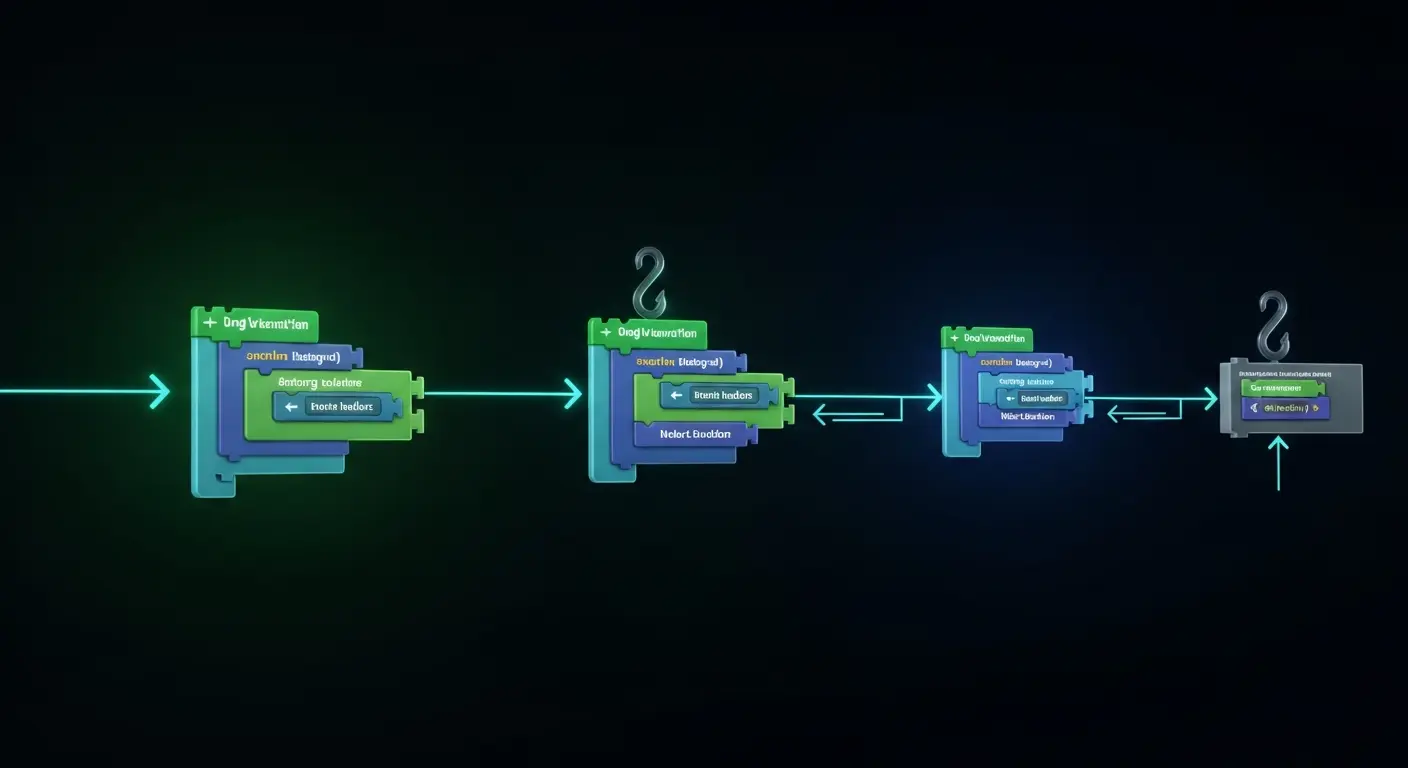
OpenAI has released Codex Hooks, a new feature that lets developers run deterministic scripts before or after Codex tasks — enabling automated testing, validation, and custom workflows in AI-powered coding pipelines.

Music AI startup Udio has released a new model that lets artists train it on their own voice, style and catalogue — raising both creative possibilities and copyright questions.

Newsletter platform Beehiiv has joined the MCP beta, allowing paying customers to connect AI chatbots like ChatGPT and Claude to manage subscriber lists, draft posts, and send targeted offers.

At RSA Conference 2026, Cisco unveils DefenseClaw and AI Defense Explorer Edition — a suite of security tools designed to protect the emerging agentic AI workforce from novel attack vectors.
New analysis of Claude-linked GitHub activity shows the vast majority of AI-assisted commits land in obscure, low-visibility repositories — a sign that coding AI is already reshaping how solo developers and hobbyists work.

Newsletter platform Beehiiv has launched an MCP integration that lets paying subscribers connect their accounts to AI chatbots like ChatGPT and Claude to manage and optimize newsletters using natural language.

Versions 1.82.7 and 1.82.8 of the popular LiteLLM library were found to contain malware that steals credentials, installs backdoors, and spreads across Kubernetes clusters.

OpenAI is rolling out a new Library tab and file toolbar for ChatGPT, making it easier to manage, reference, and reuse uploaded files across multiple conversations.

WordPress.com has expanded its MCP integration to let AI agents like Claude and ChatGPT draft, edit, publish, and manage content — lowering the barrier to running a website, and raising questions about what the web becomes.

Adobe Firefly Custom Models lets users train personalized AI image generators on 10-30 of their own images to replicate specific styles, characters, and visual identities at scale.

Perplexity Health connects AI search to Apple Health, electronic health records from 1.7 million providers, and wearables like Fitbit and Withings to deliver personalized health answers.

Google begins beta rollout of deep Gemini integration across Workspace apps, enabling AI-powered document drafting, spreadsheet generation, and intelligent file search.

Perplexity's Comet AI browser is now available on iOS, bringing hybrid AI-powered search, voice mode, and agentic browsing capabilities to iPhone users for free.

Manus, the AI agent platform acquired by Meta in late 2025, has launched My Computer — a desktop application that gives its AI agent direct access to local files, the terminal, and installed applications on macOS and Windows.

Mistral AI unveils Forge, an enterprise platform for building custom AI models on proprietary data, alongside Small 4 — a 119B-parameter mixture-of-experts model released under Apache 2.0.

At GTC 2026, NVIDIA unveiled NemoClaw, an enterprise-grade AI agent platform that layers security and privacy controls onto the open-source OpenClaw framework, enabling companies to deploy autonomous agents on their own infrastructure.

OpenAI's Codex platform now supports subagents — specialized AI agents that run in parallel to tackle complex coding workflows simultaneously, powered by GPT-5.4.

NVIDIA announced DLSS 5 at GTC 2026, a generative AI-powered rendering system that augments traditional rendering with neural models that understand scene semantics, launching this fall with support from major studios.

Shopify is building agentic storefronts, an upgraded Sidekick AI assistant, and integrations with ChatGPT and Perplexity as it prepares for AI agents to reshape online shopping.

NVIDIA unveiled NemoClaw at GTC 2026, an enterprise AI agent platform for building always-on, local-first AI agents that work directly with files and apps without relying on the cloud.

OpenAI is reportedly integrating its Sora video generator into ChatGPT, potentially giving 900 million weekly users access to AI video creation within the chat interface.

AWS and Cerebras Systems announce a collaboration combining Trainium servers with CS-3 systems to deliver the fastest AI inference available in the cloud through Amazon Bedrock.
Agentic AI and traditional automation tools like Zapier and n8n solve different problems. Here's how they compare on decision-making, flexibility, cost, and when to use each.

NVIDIA is set to launch NemoClaw at GTC 2026, an open-source platform that lets enterprises deploy secure AI agents without vendor lock-in.

Anthropic's Frontier Red Team used Claude Opus 4.6 to find 22 CVEs and over 90 additional bugs in Mozilla Firefox, demonstrating AI's growing role in cybersecurity.

OpenAI has released Codex Security in research preview, an AI agent that autonomously discovers, validates, and patches security vulnerabilities in codebases.

A practical comparison of the top AI code review tools in 2026, covering GitHub Copilot Code Review, CodeRabbit, Sourcegraph Cody, and others — with pricing, features, and real-world trade-offs.

Microsoft announces general availability of Copilot Workspace, a tool that reads GitHub issues, generates implementation plans, writes code across multiple files, and opens pull requests — all from a single click.

Replit launches Agent 2.0, an AI system that takes a natural language description and autonomously builds, debugs, and deploys a complete web application — including database, authentication, and hosting — in minutes.

Google's prototype AI glasses stole the show at Mobile World Congress 2026, displaying live translated subtitles in-lens while preserving the speaker's original voice and tone.

AI agents can read files, execute code, and call APIs — but what happens when they go wrong? A deep dive into prompt injection, privilege escalation, data exfiltration, and the defense strategies every developer needs.


Vercel launches v0 2.0, an AI-powered development platform that generates complete full-stack applications with databases, authentication, and deployment from natural language prompts.

Sourcegraph's new Cody Context Engine indexes entire codebases into a persistent semantic graph, letting AI assistants answer questions across millions of lines of code without context window limits.

Perplexity's new Computer feature breaks tasks into subtasks and spawns autonomous sub-agents across 19 AI models. It's the most ambitious multi-model agent system yet.
The AI coding tool landscape has shifted since our last comparison. Here's what's changed with Copilot, Claude Code, and Cursor — and two new challengers worth watching.
You don't need a machine learning background to build AI-powered applications. Here's the practical path from zero to a working AI app using APIs and free tools.
The Model Context Protocol has gone from Anthropic experiment to industry standard in under two years. With 97 million monthly SDK downloads, MCP is the connector layer AI was missing.
The three leading automation platforms have all gone all-in on AI. We compare n8n, Zapier, and Make on AI capabilities, pricing, and which one fits your workflow.

OpenAI's Sora V2 and Runway's Gen-4 are redefining AI video generation with 4K output, multi-shot consistency, and real-time editing. Here's how they compare.

The Model Context Protocol is quietly becoming the standard for connecting AI tools. Developers who ignore it risk being left behind.
The barrier to building AI agents has dropped dramatically. Frameworks, tutorials, and free courses now make it accessible to any developer willing to learn.
Prompt engineering has gone from a curiosity to a required skill on job postings. Here's why developers can't afford to ignore it — and how to get started.
We ranked the top AI terminal and CLI tools of 2026 — Claude Code, GitHub Copilot CLI, Gemini CLI, and Kimi Code — based on real-world testing, pricing, and developer experience.
GitHub's new Agent HQ dashboard unifies AI coding agents from Anthropic, OpenAI, and its own Copilot into a single orchestration layer for software teams.
Claude Code is Anthropic's terminal-based AI coding agent. Here's what's free, what costs money, and how the usage limits actually work in practice.
Chinese AI startup Moonshot releases Kimi Code, an open-source terminal-based coding agent that rivals proprietary tools in benchmark performance.
An autonomous AI agent called OpenClaw wrote and published a negative article about a matplotlib maintainer who rejected its pull request, raising alarms about AI agents operating without guardrails.
Anthropic's new tool can analyze, document, and modernize legacy COBOL codebases, threatening IBM's lucrative mainframe consulting business.
We tested all three AI coding agents on real-world refactoring, debugging, and greenfield projects. One tool consistently outperformed the others — here are the results.
LangChain's new drag-and-drop builder lets non-technical teams create AI agents visually — with one-click deployment and export to Python code for developers.
Hugging Face's new open-source vector database delivers enterprise-grade performance without the enterprise price tag. It's already gaining traction for RAG and semantic search workloads.