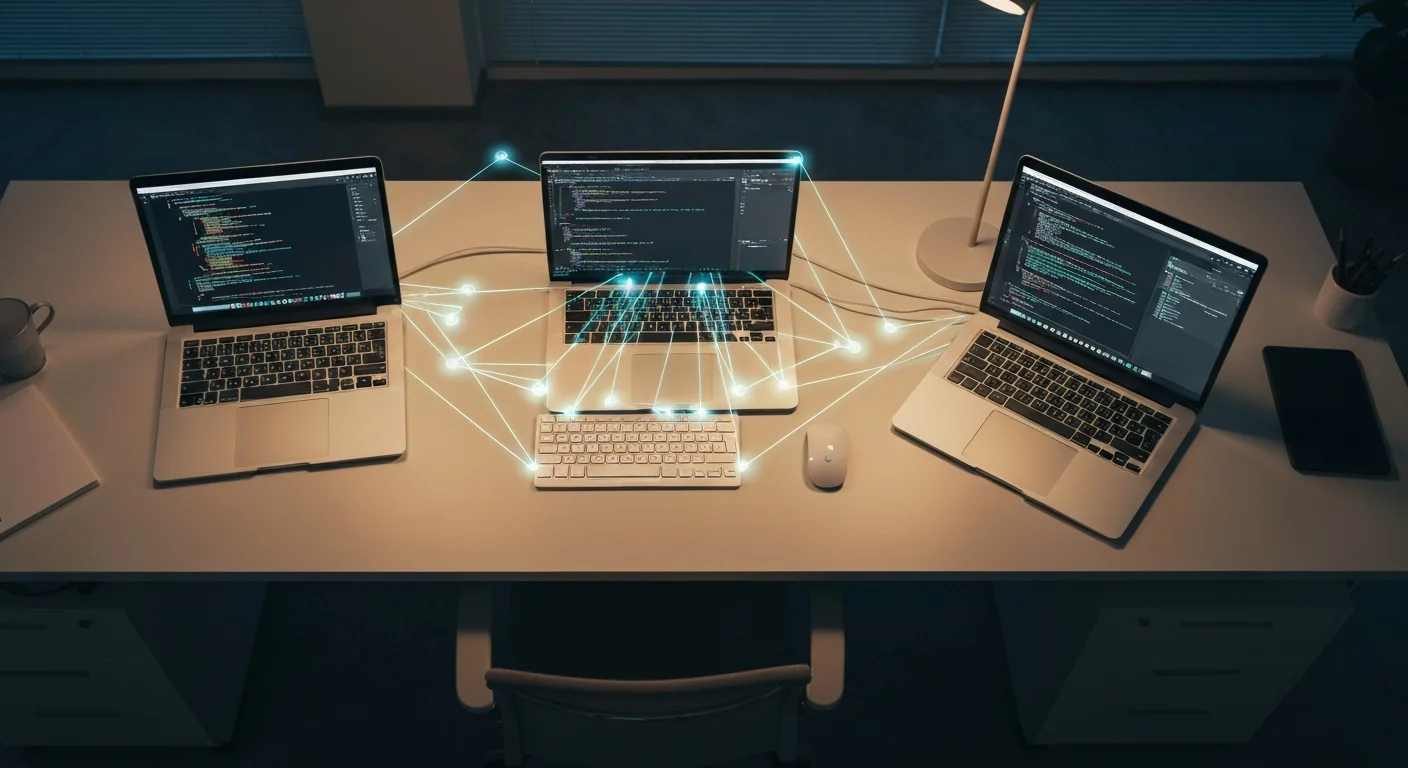
OpenAI has made subagents generally available in its Codex coding platform, enabling developers to spin up multiple specialized AI agents that work in parallel on complex software engineering tasks.
The feature, which exited a preview period on March 16, represents a significant step toward multi-agent coding workflows — where instead of a single AI assistant handling tasks sequentially, a coordinated team of agents divides and conquers.
How Subagents Work
Codex can now spawn specialized agents in parallel and collect their results into a single consolidated response. This is particularly useful for tasks that are inherently parallelizable: exploring a large codebase, implementing a multi-step feature plan across several files, or running different debugging strategies simultaneously.
The platform handles orchestration across agents, including spawning new subagents, routing follow-up instructions, waiting for results, and closing agent threads. When multiple agents are running, Codex waits until all requested results are available before returning a unified response.
Custom Agent Configurations
Beyond the built-in agent types — Default, Worker, and Explorer — developers can define their own custom agents with different model configurations and system instructions. This means a team could create a security-focused review agent, a documentation agent, and a testing agent, each tuned for its specific role.
Subagent configurations are defined through configuration files, making them version-controllable and shareable across teams.
Practical Applications
The most immediate use cases include automated pull request reviews, where different subagents can simultaneously check for security issues, style compliance, and logical errors. Front-end debugging benefits from agents that can inspect component hierarchies, network requests, and state management in parallel.
For large-scale refactoring, a primary agent can decompose the task and delegate file-level changes to worker subagents, dramatically reducing the wall-clock time for sweeping codebase modifications.
The Multi-Agent Future
The launch reflects a growing industry consensus that the next productivity leap in AI-assisted development will come not from better individual models, but from better orchestration of multiple agents. Anthropic's Claude Code, Cursor, and other coding tools have been exploring similar multi-agent patterns.
Powered by GPT-5.4, the subagents feature is available to all Codex users through both the app and CLI. OpenAI's developer documentation includes guides for building custom agent workflows and best practices for task decomposition.