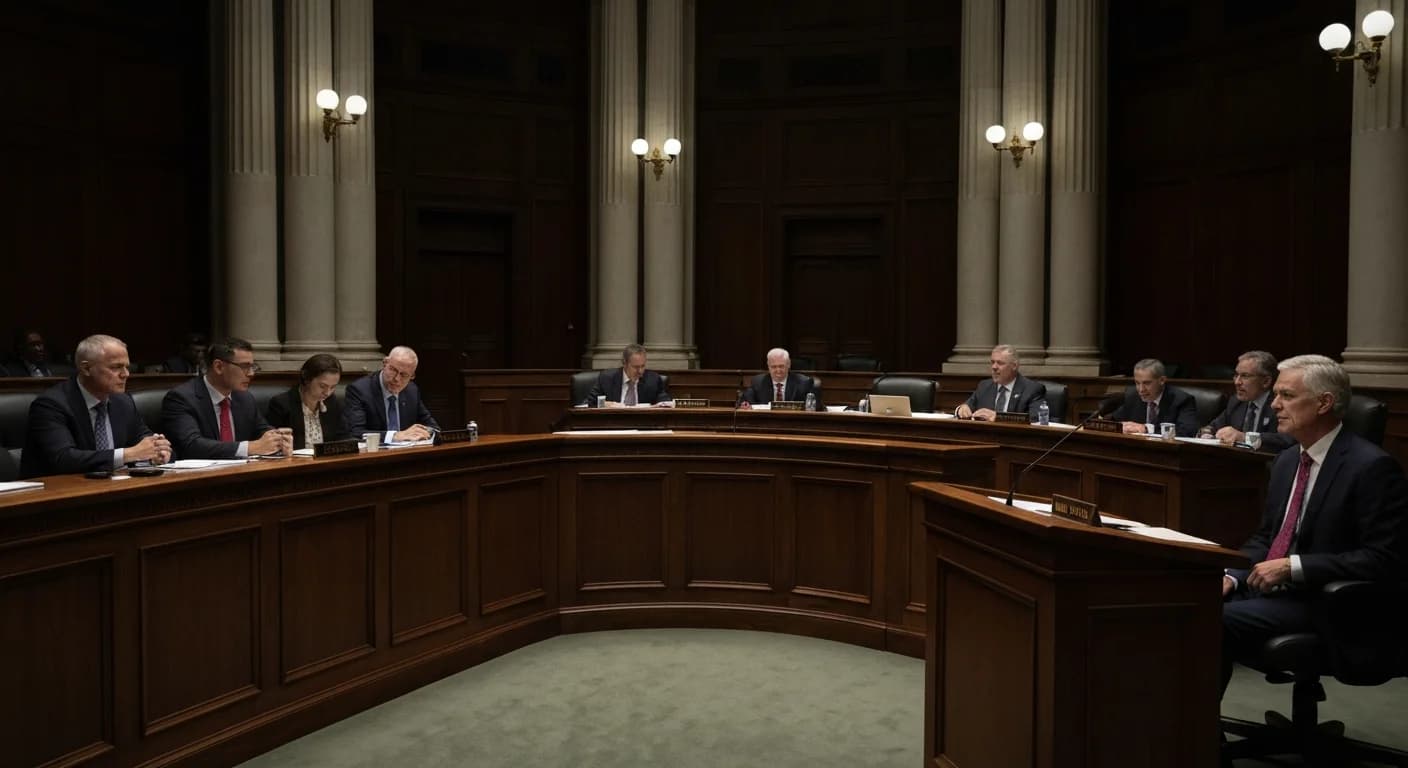
OpenAI has testified before Illinois lawmakers in support of SB 3444, a bill that would shield AI developers from legal liability even when their models enable catastrophic outcomes — including mass casualties or financial disasters causing more than $500 million in damages.
The legislation, introduced as the Artificial Intelligence Safety Act, represents one of the most aggressive industry-backed efforts yet to define who is responsible when AI systems cause severe harm.
What the Bill Would Do
SB 3444 creates a legal framework that distinguishes between AI model developers and deployers — the companies and organizations that actually implement AI systems in the real world. Under the proposed law, a developer of a frontier AI model would not be held liable for critical harms if:
- The developer did not intentionally or recklessly cause the harms
- The developer publishes a safety and security protocol on its website
- The developer provides a transparency report documenting known risks
The bill defines "critical harm" as scenarios involving mass casualties, infrastructure failures, or financial system collapses exceeding $500 million in damages. Plaintiffs would need to prove that harm was both foreseeable and preventable through reasonable safety measures.
OpenAI's Testimony
OpenAI's Caitlin Niedermeyer appeared before Illinois legislators to advocate for the measure, emphasizing the need for a coordinated federal framework for AI regulation. Niedermeyer expressed concerns about the potential for inconsistent state regulations to hinder safety efforts and create friction within the industry.
The company stated that it supports measures focused on reducing risks associated with advanced AI technologies, with the intention of facilitating broader access to AI innovations for individuals and businesses across Illinois.
Sharp Criticism From Safety Advocates
The bill has drawn fierce opposition from consumer advocates and AI safety organizations. One AI safety researcher compared the approach to historical corporate maneuvering: "This is tobacco industry playbook 101. Get favorable legislation in place before the bodies pile up, then point to those laws when people try to seek accountability."
Critics argue the framework treats AI more like conventional software products than pharmaceuticals or other technologies with potential for mass harm, setting a dangerous precedent as AI systems become more autonomous and capable.
A Broader Legislative Push
Illinois is not alone. Similar bills are reportedly being considered in at least three other states, suggesting a coordinated industry effort to establish favorable liability frameworks before federal legislation takes shape. The approach effectively creates a patchwork of state-level protections that could influence the eventual federal standard.
What It Means
The legislation arrives at a moment when AI capabilities are expanding rapidly and questions of accountability remain largely unsettled. If passed, SB 3444 could set a template that other states adopt — one that places the burden of proof squarely on victims while requiring only documentation, not prevention, from the companies building the most powerful AI systems.