On March 4, the leaders of Amazon, Google, Meta, Microsoft, OpenAI, Oracle, and xAI will gather at the White House to sign the Rate Payer Protection Pledge — a formal commitment that Big Tech will build, buy, or bring its own power supply for new AI data centers instead of passing electricity costs to consumers.
Why This Is Happening
AI data centers are consuming electricity at an alarming rate. NVIDIA alone shipped enough GPUs in 2025 to power data centers consuming more electricity than some small countries. As AI companies race to build bigger clusters, local utility grids are straining — and residential electricity bills are climbing.
President Trump unveiled the pledge during the February 24 State of the Union address, framing it as a consumer protection measure: "The companies making billions from AI will not make American families pay their electric bills."
What Companies Are Committing To
The pledge requires signatories to:
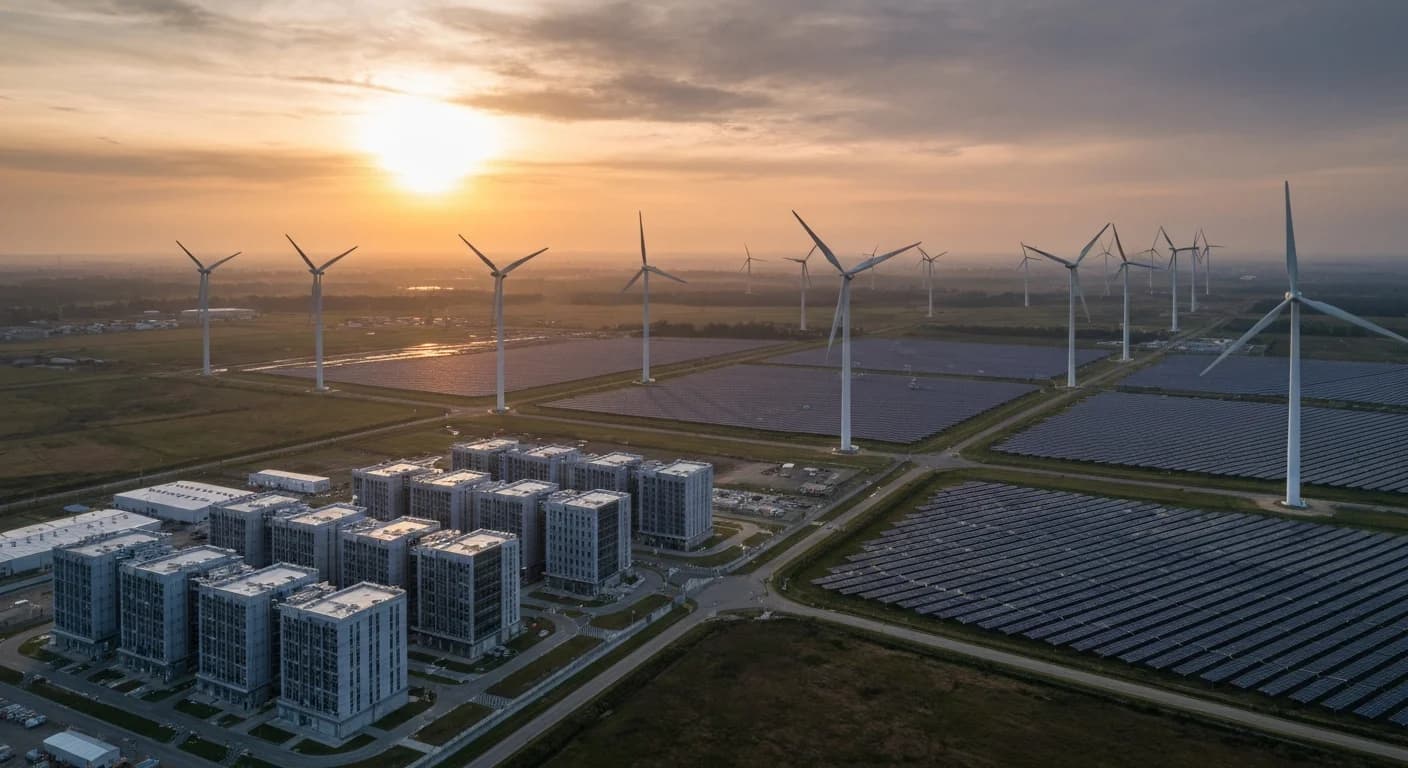
- Self-supply power for new AI data centers through dedicated generation, power purchase agreements, or on-site renewable/nuclear sources
- Cover incremental costs if their data centers cause measurable rate increases for local utility customers
- Report annually on energy consumption and sourcing for AI compute infrastructure
Anthropic, despite being blacklisted from federal contracts, separately committed to covering 100% of any electricity price increases consumers face from its data centers.
The Scale of the Problem
AI compute demand is projected to consume 4-6% of total U.S. electricity generation by 2028, up from under 2% today. A single large training run on a frontier model now requires as much power as a small city uses in a month. The new wave of always-on AI agents running in production makes the problem even more acute — inference workloads run 24/7, not just during training.
Critics Call It a "Theatrical Stunt"
Environmental groups and consumer advocates have pushed back, calling the pledge unenforceable. Unlike an executive order or regulation, a pledge carries no legal weight. If a company fails to meet its commitments, there is no penalty mechanism.
Senator Bernie Sanders, who previously called for a moratorium on new AI data centers, called the pledge "a voluntary promise from companies that have broken every voluntary promise they've ever made about privacy, safety, and market competition."
What It Means for the Industry
Regardless of enforcement, the pledge signals a political reality: AI's energy appetite has become a voter issue. Tech companies are now competing not just on model performance but on how sustainably they can power the infrastructure behind it.
The March 4 signing will be the most significant White House engagement with the AI industry since the Biden-era voluntary safety commitments — commitments that several signatories have since quietly walked back.
For businesses thinking about how to plan around rising AI infrastructure costs, the same pressures apply closer to home. This guide on why your business needs a scalable tech stack covers how to design infrastructure that absorbs demand spikes without blowing up the budget.